From China to Toronto.
FCL and LCL from China to the GTA. Buying FOB, FCA or EXW? You book the main freight, so you choose the forwarder and the routing.
Explore the service details
Setara Logistics is a freight forwarder in Vaughan, Ontario that ships LCL and FCL from China to Toronto, handling the Canadian end from arrival to your dock. We book the ocean freight, coordinate customs through a licensed customs broker partner, and line up the rail and truck legs into the GTA.
This page is written from the Toronto end: how the freight travels, what you need in place as the importer, and what to settle with your supplier before the cargo ships.
How freight gets from China to Toronto
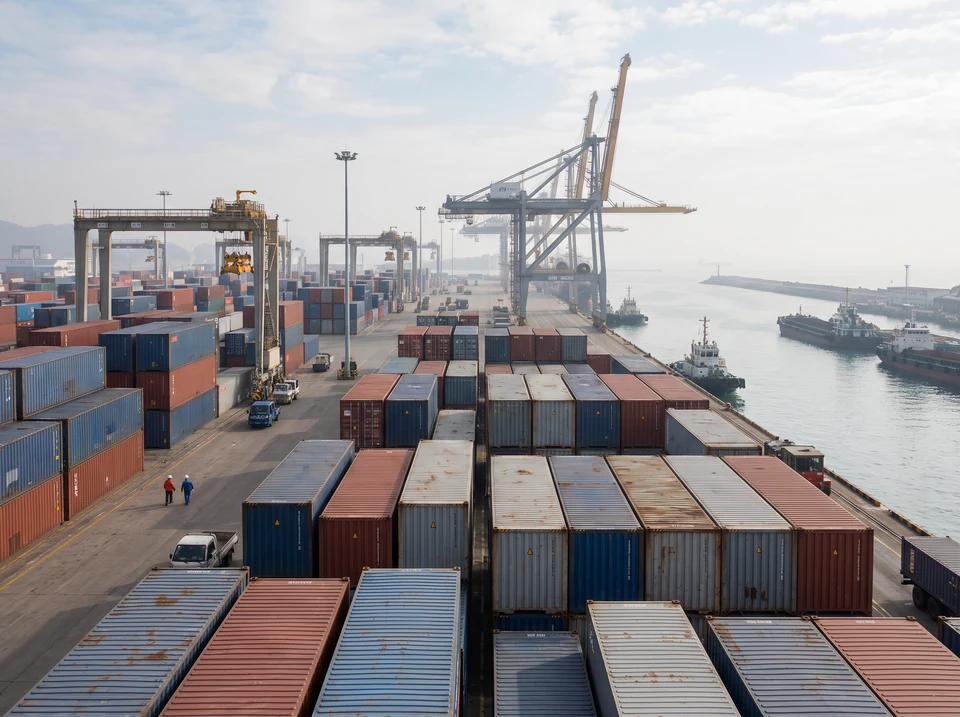
Most cargo for the GTA leaves from one of China's main container ports: Shanghai, Ningbo, Shenzhen (Yantian and Shekou), Qingdao or Xiamen. The ocean carrier routes it to a Canadian port, usually Vancouver or Prince Rupert for cargo from Asia, sometimes Montreal or Halifax. Rail then carries it to the GTA ramps at CN Brampton or CPKC Vaughan: CN or CPKC from Vancouver, CN from Prince Rupert. Some cargo routes through US ports, which can be an option.
Many delays at this end come from paperwork, not ships: a customs account not yet set up, a question left unanswered, a container waiting past its free time. We coordinate the Canadian end so none of that stalls your freight.
Buying FOB, FCA or EXW from China?
FOB or FCA: you book the main freight
Your supplier clears the goods for export and hands them over: on board the ship at the named port under FOB, or to the carrier you nominate at the named place under FCA. From that point, the ocean freight and everything after it are yours to book and pay. You choose the forwarder, the routing and the delivery into the GTA, and you see the freight cost apart from the price of the goods.
Read Incoterms 2020 explainedEXW: the export side is yours too
Under EXW, the supplier only makes the goods ready at its premises, not loaded. The pickup, the loading and the export clearance in China fall to you as the buyer. The ICC, which publishes the Incoterms rules, encourages traders to consider FCA instead when goods cross a border, because under EXW the export clearance sits with a buyer outside the seller's country.
Compare terms in the Incoterms pickerFor a full container, FCA usually fits better than FOB. The supplier hands the box over at the terminal, often days before it is loaded, and under FOB it still carries the risk until the box is on board. Whichever term you agree, name the place exactly: an address, a terminal or a port.
What we take on at origin
On FOB or FCA, we book the ocean freight with the carrier, or the space with an LCL consolidator, and send the booking to your supplier. The supplier then delivers where your Incoterm says and clears the goods for export. Under FOB, that is on board the ship. Under FCA, it is the named place: its own dock, a terminal or the consolidator's warehouse.
On EXW, there is more to arrange in China: the pickup at your supplier, the loading and the export clearance. We arrange those through the carrier or consolidator we book with, so tell us your Incoterm when you ask for a quote.
From there, it runs as one file to your dock: the sailing, the rail leg from Vancouver or Prince Rupert to CN Brampton or CPKC Vaughan, customs through our licensed customs broker partner, and the delivery in the GTA.
LCL or FCL from China?
Full container load (FCL)
Your supplier loads and seals the container. It is often booked through to the GTA rail ramp on a through bill of lading. When it reaches CN Brampton or CPKC Vaughan, Setara Transport runs the container drayage to your dock.
Request an FCL quoteLess than container load (LCL)
The cargo goes to an LCL consolidator in China, which loads it into a shared container. At this end the consolidator unloads it at its container freight station (CFS), near the port or in the GTA. After customs release, a vetted partner carrier delivers it. We book LCL with consolidators; we do not run a CFS.
Request an LCL quoteLCL is priced by volume or weight, whichever is greater. If you are close to filling a box, check with our container load calculator before you choose.
What duty applies to goods from China?
Canada has no free trade agreement with China. Goods made there get Most-Favoured-Nation tariff treatment, and a certificate of origin does not cut the duty the way a CUSMA certificate does for qualifying North American goods.
More about this service
Some Chinese goods also carry surtaxes, or anti-dumping and countervailing duties. These depend on the product and change over time, so our licensed customs broker partner confirms them when it classifies your goods. Send the product details before you place the order, so you know what applies before you commit.
Duties and GST are paid through the customs entry. Our duty and tax calculator gives a first estimate.
What should you settle before the cargo leaves China?
01Agree the Incoterm
FOB or FCA gives you control of the main freight. Under EXW you also carry the export side, arranged through the carrier or consolidator we book with.
02Check the packaging
Wood pallets, crates and dunnage must meet ISPM 15 and carry its mark. The CFIA can refuse wood packaging that does not comply.
03Match the paperwork
Before the cargo reaches Canada, the carrier and the forwarder that issues the house bill send cargo data to the CBSA under eManifest. Descriptions need to be right at origin.
04Set up customs
A business number with an import-export (RM) account, a CARM Client Portal account, and financial security if you want release before payment.
What will it cost, and how long will it take?
What drives cost and transit time
We do not publish rates or transit times from China. These move both:
- Origin port and how often ships call there
- Vessel schedule and any transshipment
- Season, including the weeks around Chinese New Year
- Volume and weight
- Rail availability to the GTA
- Customs holds
- How fast the CFS unloads, for LCL
- How fast you answer questions
Charges at the Toronto end
Expect terminal handling, CFS charges for LCL, delivery order fees, rail and ramp charges, the customs entry fee, duties and taxes, and delivery, plus storage, demurrage or detention past free time. Our page on ocean freight into Toronto covers the GTA end in detail.
China to Toronto shipping FAQ.
Who can ship LCL from China to Toronto?
Setara Logistics, a freight forwarder in Vaughan, Ontario, books LCL from the main Chinese ports to Toronto with LCL consolidators. The consolidator loads your cargo at origin and unloads it at a container freight station near the Canadian port or in the GTA. We coordinate customs through our licensed customs broker partner and book delivery with a vetted partner carrier.
Do Chinese goods get duty-free treatment?
No. Canada has no free trade agreement with China, so goods made there pay the Most-Favoured-Nation rate for their classification, and a certificate of origin does not lower it. Some goods also carry surtaxes or anti-dumping and countervailing duties. Our licensed customs broker partner confirms what applies when it classifies the goods.
Which Incoterm should I use when buying from China?
If you want control of the main freight, buy FOB or FCA: the supplier clears the goods for export and hands them over at the port or to the carrier, and you choose the routing. EXW adds the export side to your job. Under CFR or CIF, the supplier books the ship, and the charges at this end still fall to you. See Incoterms 2020 explained.
My supplier quoted FOB China. What do I send a freight forwarder?
Send the FOB port (for example FOB Shanghai or FOB Ningbo), your supplier's name and contact, the cargo ready date, a packing list with weights and volume, and a product description. Under FOB, the supplier clears export and delivers the goods on board. You book and pay the ocean freight and the charges after it, so the forwarder you choose arranges the rest to your dock.
Is FCA better than FOB for a container from China?
Usually, yes. A supplier hands a container over at the terminal, often days before it is loaded. Under FOB, the supplier still carries the risk until the box is on board, though it no longer controls it. Under FCA, risk passes at the named place, when the supplier hands the goods over. FCA also works for any mode, and you can agree that your carrier issues an on-board bill of lading to the supplier after loading, which helps when a letter of credit needs one.
Do I need a customs broker to import from China?
Someone has to file the customs entry, and most importers use a licensed customs broker. We coordinate every entry through our licensed customs broker partner. You still need your own business number with an import-export (RM) account and a CARM Client Portal account.
Do wood pallets need special treatment?
Yes. Wood pallets, crates and dunnage must meet ISPM 15 and carry its mark. It is a CFIA requirement, and wood packaging that does not comply can be refused entry, which holds up the shipment. Confirm it with your supplier before loading.
How long does shipping from China to Toronto take?
It depends on the routing: origin port, sailing, transshipment, the rail leg, customs and, for LCL, the CFS. Season matters too, especially around Chinese New Year. We do not publish a generic transit time. When you book, you get the schedule for your routing.
Related services, guides and tools.
Services
Ocean freight into Toronto Shipping from Vietnam to Toronto Shipping from India to Toronto Shipping from Turkey to Toronto Ocean freight Customs clearance Freight forwarding in TorontoBringing goods in from China?
Send us the details and we'll come back with a firm rate.
Request a quote Talk to a freight specialist